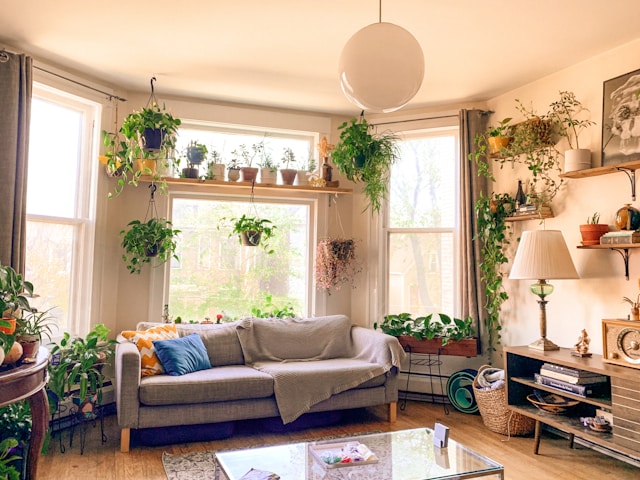
Designing and maintaining an indoor garden
By: Maggie & Pippa C.
Date: 21 March 2026
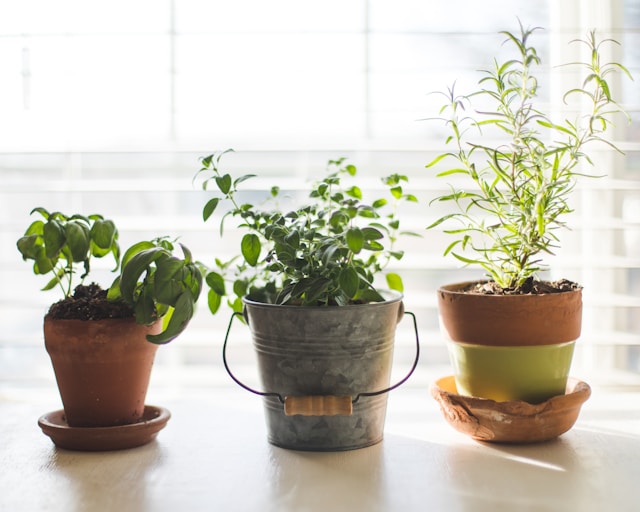
Indoor gardening is exactly what it sounds like: growing plants inside your home. It might be a few herbs on a kitchen windowsill, a cluster of leafy houseplants in the living room, or even a small vegetable setup under grow lights. People start indoor gardens for all kinds of reasons. Some want fresh herbs for cooking. Others simply enjoy the calming presence of greenery. And for those living in apartments or homes without outdoor space, indoor gardening makes it possible to enjoy plants year-round.
The nice thing about indoor gardening is that it doesn’t have to be complicated. Plants need the same basic things whether they grow outdoors or indoors: light, water, air, nutrients, and the right temperature. Once you understand how these pieces work together, it becomes much easier to keep plants healthy. You also don’t need a huge budget or special equipment to begin. Many indoor gardens start with a single pot and a sunny window.
Why grow plants indoors?
One of the biggest reasons people get into indoor gardening is simple: plants make spaces feel better. A room with greenery tends to feel calmer and more welcoming. The colors and shapes of leaves add life to otherwise plain corners of a home. Even a small collection of plants can change the mood of a space.
Indoor plants also create a sense of routine. Watering them, checking their leaves, and occasionally repotting them gives people a small daily or weekly task that feels satisfying. Watching a plant slowly grow new leaves or stretch toward the light can be surprisingly rewarding.
Another reason people enjoy indoor gardening is convenience. Herbs like basil, mint, or chives can grow right in the kitchen where they’re easy to harvest while cooking. Some leafy vegetables and microgreens also grow well indoors, giving you fresh ingredients without needing an outdoor garden.
Finally, indoor gardening allows people in dense cities or small apartments to still enjoy growing things. Even if you don’t have a backyard or balcony, you can still create a small indoor garden.
Understanding light indoors
Light is usually the most important factor for indoor plants. Outdoors, plants receive direct sunlight for much of the day. Inside a house, light is often weaker and comes from only one direction. Because of this, where you place your plants makes a big difference.
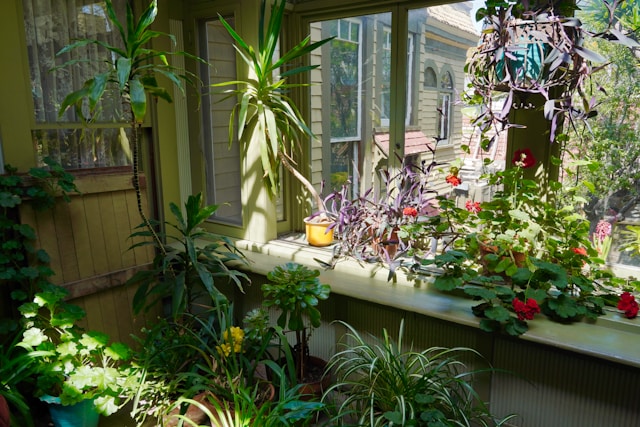
Windows are the main source of natural light indoors. A south-facing window in many parts of the world usually provides the brightest light throughout the day. East-facing windows give gentle morning sunlight, which works well for many houseplants. West-facing windows offer stronger afternoon light, while north-facing windows tend to be the dimmest.
Different plants prefer different light levels. Some plants, such as many tropical foliage plants, grow well in bright but indirect light. This means they receive plenty of brightness without harsh direct sun hitting their leaves. Other plants, including many herbs and flowering plants, need several hours of direct sunlight each day.
If natural light is limited, artificial lighting can help. Grow lights designed for plants provide the wavelengths needed for photosynthesis. Modern LED grow lights are energy efficient and produce very little heat, making them suitable for homes and apartments. With the right lighting setup, it’s possible to grow quite a variety of plants indoors.
Watering the right way
Watering is one of the areas where beginners often struggle. It might seem simple, but both overwatering and underwatering can harm plants. Interestingly, too much water is actually a more common problem than too little.
Plant roots need oxygen as well as water. When soil stays constantly wet, air spaces disappear and roots may begin to rot. This can cause yellow leaves, drooping stems, and eventually plant death. For that reason, it’s important to let the soil dry slightly between waterings for many houseplants.
A good habit is to check the soil with your finger before watering. If the top few centimeters of soil feel dry, it’s usually time to water. If the soil still feels moist, it’s better to wait a little longer.
When watering, do it thoroughly so water flows through the bottom drainage holes of the pot. This ensures the entire root system receives moisture and helps flush out excess salts that may build up in the soil. Empty any water that collects in saucers so roots aren’t left sitting in standing water.
Different plants have different watering needs, so it’s helpful to learn a bit about each species you grow. Succulents, for example, prefer much drier conditions than tropical leafy plants.
Choosing the right soil
Soil for indoor plants isn’t the same as soil from a garden outside. Garden soil is usually too dense and may contain pests or diseases. Instead, indoor gardeners use potting mixes designed specifically for containers.
A typical potting mix is made from materials like peat moss, coco coir, perlite, and composted organic matter. These ingredients create a lightweight structure that holds moisture while still allowing air to reach the roots. Good drainage is especially important for plants grown in pots.
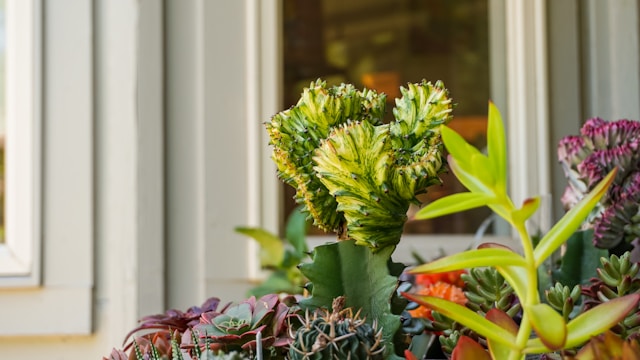
Different plants sometimes benefit from slightly different mixes. For example, succulents and cacti often grow best in a mix that drains very quickly, usually containing extra sand or coarse particles. Tropical foliage plants generally prefer a mix that retains moisture a bit longer.
Over time, potting soil slowly breaks down and becomes more compact. This is one reason plants occasionally need repotting. Fresh soil helps restore good structure and provides a new supply of nutrients.
Containers and drainage
Containers are more important than they might seem at first. The right pot supports healthy roots and prevents water problems. One of the most important features of a container is drainage holes at the bottom. Without them, excess water has nowhere to go, and roots may remain constantly wet.
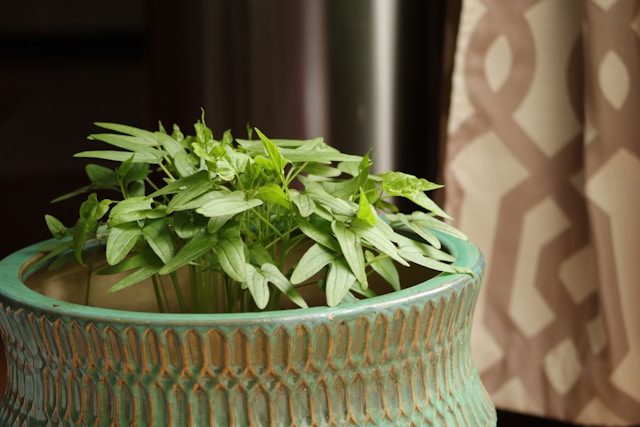
Pots come in many materials. Plastic containers are lightweight and hold moisture well. Clay or terracotta pots are more porous and allow water to evaporate through the sides, which can help prevent overwatering. Ceramic pots are popular for decorative purposes but should still have drainage holes if they’re used directly for planting.
The size of the pot matters too. A pot that is much larger than the root ball may hold too much wet soil around the roots. When repotting, it’s usually best to move a plant into a container only slightly larger than the previous one.
Adding a saucer or tray beneath pots protects furniture and floors from water drainage. Just remember to empty the tray after watering so roots are not left soaking in water.
Temperature and humidity
Most houseplants come from tropical or subtropical regions of the world. Because of that, they generally prefer temperatures that are comfortable for people as well. Typical indoor temperatures between about 18°C and 27°C work well for many plants.
However, sudden temperature changes can cause stress. Drafts from air conditioners, heaters, or frequently opened doors may affect sensitive plants. Placing plants in stable locations away from strong drafts usually helps them grow better.
Humidity is another factor that sometimes matters indoors. Many homes, especially those with air conditioning or heating systems, have relatively dry air. Some tropical plants prefer higher humidity levels. If leaves start developing dry edges or brown tips, low humidity might be the cause.
Simple solutions include grouping plants together, placing a tray of water near them, or occasionally misting the leaves. In more serious cases, a small humidifier can help create a more plant-friendly environment.
Feeding indoor plants
Plants grown in pots rely on the nutrients available in their soil. Over time those nutrients get used up, especially during periods of active growth. That’s why indoor gardeners sometimes use fertilizers to keep plants healthy.
Most houseplants benefit from light feeding during the growing season. This is usually spring and summer for many plants. Liquid fertilizers diluted in water are commonly used because they’re easy to apply while watering.
It’s important not to overdo it. Too much fertilizer can damage plant roots or cause salt buildup in the soil. Following the instructions on the fertilizer label and using a weaker solution is often safer than applying too much.
During slower growth periods, such as cooler months, many plants need little or no fertilizer.
Choosing good plants for indoors
Some plants naturally adapt to indoor conditions better than others. Beginners often have more success starting with species known for their tolerance of lower light and occasional watering mistakes.
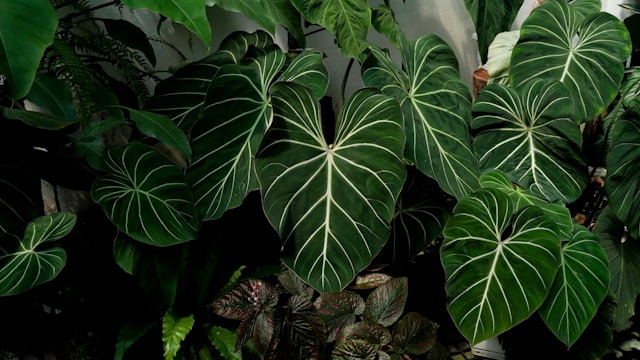
Many leafy tropical plants do particularly well indoors because they evolved in shaded forest environments. These plants are used to filtered light and relatively stable temperatures, which are similar to conditions inside homes.
Herbs can also grow indoors if they receive enough sunlight. Basil, mint, parsley, and chives are common choices for kitchen windowsills. For people interested in edible plants, microgreens are another easy option since they grow quickly and require little space.
When selecting plants, it helps to consider the light available in your home first. Choosing plants suited to that environment usually leads to better results than trying to force a sun-loving plant to grow in a dim corner.
Common indoor gardening challenges
Like any form of gardening, growing plants indoors comes with occasional challenges. Yellowing leaves, slow growth, or drooping stems can happen from time to time. Often the cause is related to watering, light levels, or soil conditions.
Pests sometimes appear indoors as well. Small insects like aphids, spider mites, or mealybugs may occasionally settle on houseplants. Regularly checking leaves and stems helps catch these problems early. Many infestations can be controlled by gently washing plants with water or using mild insecticidal soap.
Another common issue is simply placing plants in the wrong location. A plant that struggles in one corner of a room might thrive if moved closer to a window. Indoor gardening often involves a bit of experimentation to find the best spots.
Enjoying the process
Indoor gardening works best when it’s approached with patience and curiosity. Plants grow at their own pace, and part of the enjoyment comes from watching them slowly develop over time. A new leaf emerging or a plant becoming fuller after a few months can feel surprisingly satisfying.
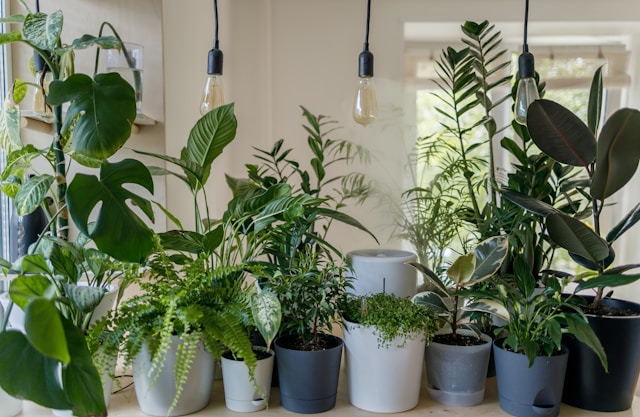
Many people start with just one or two plants and gradually expand their collection as they gain confidence. Over time, shelves, windowsills, and corners of a home may fill with greenery.
Whether you’re growing herbs for cooking, decorative foliage plants, or simply experimenting with different species, indoor gardening offers a simple way to bring a bit of nature indoors. With the right light, careful watering, and a little attention, even a small indoor space can become a thriving garden.