Getting to know cactus
By: Maggie & Pippa C.
Date: 7 February 2026
What it is
Cactus (plural: cacti) is a group of plants in the cactus family known for their thick, water-storing stems and spines instead of regular leaves. There are over 2 000 different types of cacti, most of which naturally grow in North and Central America — places like the deserts and dry regions of the United States and Mexico. Cacti belong to a larger group called succulent plants, which store water in their stems or leaves to survive tough, dry conditions.
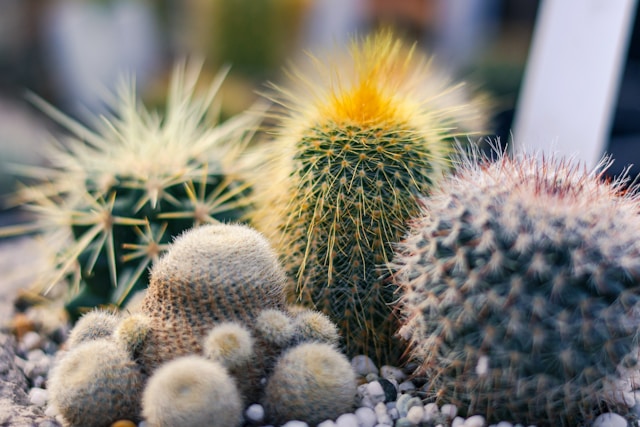
Cacti might look like one kind of plant, but they actually come in lots of shapes and sizes. Some are small and round like little green balls, a few centimetres across. Others grow tall like pillars reaching several metres in height. That diversity makes them popular in gardens and indoor collections alike.
How it looks
One of the big things that makes a cactus a cactus is something called an areole — a small bump on the stem that’s unique to these plants. From an areole, you’ll often see spines or bristles growing. Those spines are actually modified leaves that help protect the plant and reduce water loss by shading the surface.
Most of the green, fleshy part of a cactus is actually the stem, and that’s where the plant does most of its food-making (photosynthesis) and water storage. Because cacti live in pretty dry spots in nature, they’re built to make the most of whatever water they can get.
Flowers and variety
Even though many people think of cacti as just spiky green plants, some types produce colourful blooms that surprise gardeners. Flowers might come in reds, yellows, pinks or whites, and depending on the species they might open during the day or even at night. Some cactus flowers are short-lived but very showy.
There are so many shapes among cactus types — some are tall and column-like, others are flat pads like the "bunny ears" cactus, and some are small globes perfect for pots. The forms are part of what makes them fun to collect and grow.
Where it lives
Cacti evolved mostly in places where water is scarce, which is why their bodies are built to store water in thick stems and roots. They often have shallow root systems that spread wide to catch rain quickly. Their spines give protection from animals and help shade the plant, and the stems themselves shrink and swell depending on how much water they’re holding.
Even though cacti are drought-adapted, not all of them live in hot desert sun — some grow in tropical forests or mountainous areas too, as long as they’re in a spot where roots don’t sit in soggy soil. That’s part of why you find cacti in lots of different climates and gardens around the world.
Where it can be found in everyday life
Cacti are popular not just in nature but also in gardens, homes and public spaces because they’re low-maintenance and striking, and often hardy in bright light with minimal water. Some species are used as outdoor plants in warm climates, and others are common houseplants. People sometimes eat cactus fruits or pads — like prickly pear — in places where they grow naturally.
They also show up in culture, art and even music — for example, there’s a Japanese song called "Cactus Flower" that uses cactus imagery in its lyrics.