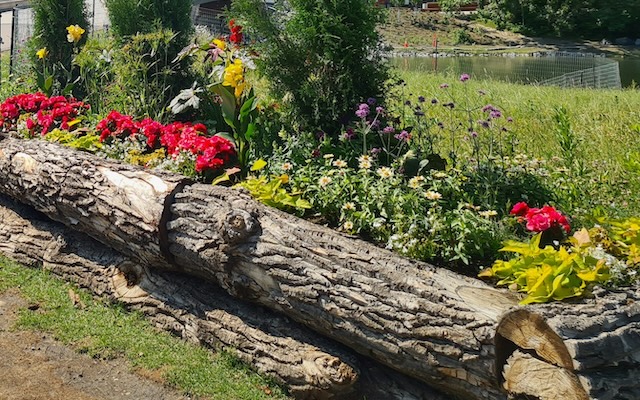
Designing and maintaining a raised garden bed
By: Maggie & Pippa C.
Date: 8 March 2026
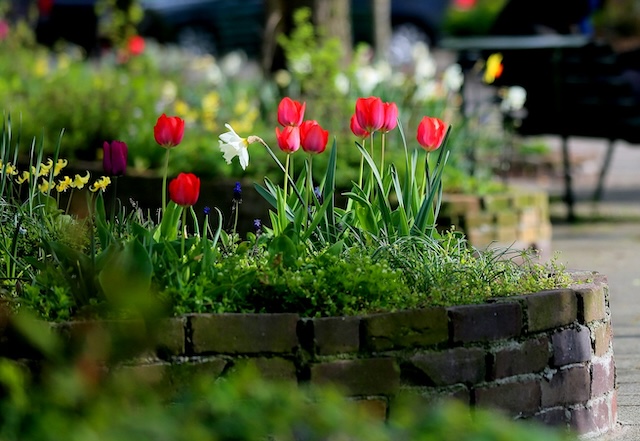
Raised garden beds have become one of the most popular ways to grow vegetables, herbs, flowers and even fruits at home — whether you have a backyard, a patio, or even just a balcony. They’re basically areas of soil lifted above ground level, often enclosed by a wooden frame, stones, bricks or other materials, and filled with rich soil that gives plants a head start.
What a raised garden bed is
Raised-bed gardening means growing plants in soil that sits above the surrounding ground level. The sides are usually framed in some way — wood boards, stone, concrete blocks, metal, plastic, or even fabric containers can be used. The soil inside is usually mixed or imported so it’s higher quality than the existing ground soil.
Raised beds can be any size or shape, but they’re typically designed so you can reach into the planting area from the outside without stepping on the soil — this helps keep the soil loose and healthy. Beds can sit directly on top of existing soil, or be built with bottoms (or rigid frames) depending on what you want to grow and whether drainage is good.
Benefits of raised garden beds
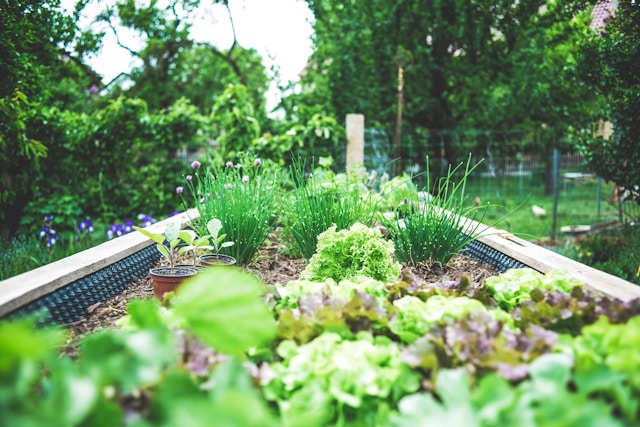
Raised beds offer a whole host of benefits over planting directly in ground soil:
Better soil quality and control
When you build a raised bed, you choose the soil mix — and that makes a big difference. You can use a rich blend of topsoil, compost and aeration material, which gives plants nutrient-rich, well-draining soil right from the start. This is especially helpful if your garden soil is heavy clay, sandy, rocky, or otherwise poor.
Great soil helps plant roots grow deep, so they can absorb water and nutrients easily. And because you’re adding everything you want into the bed, you don’t have to spend as much time trying to fix bad native soil.
Excellent drainage and soil health
Raised beds naturally drain water better than flat gardens because rainwater doesn’t pool as easily. That reduces the risk of root rot and other water-related plant problems, especially in places with heavy rain or clay ground.
Loose soil in raised beds also stays free of compacted clumps — which means roots can spread out and plants grow stronger. Compaction is a big problem in in-ground gardens where feet and tools squash soil down over time.
Longer growing season
Because raised beds sit above ground, the soil tends to warm up faster in spring. Warm soil makes seeds germinate sooner and helps plants get an early start — which can mean planting weeks before traditional in-ground gardens.
This means you might harvest crops earlier in the season or even get in two or three plantings where a traditional bed might fit just one.
Easier gardening and better accessibility
One of the biggest perks of raised beds is that you don’t have to bend or kneel as much when planting, weeding, or harvesting. Beds can be built to waist height or higher, making gardening easier on your back and knees — especially if you have mobility limitations.
Raised beds also keep walking paths separate from planting space, so you don’t accidentally step on your crop soil, which keeps it loose and fertile.
Fewer weeds and pests
Weeds are a lot harder to grow in raised beds if you start with clean, fresh soil and mulch over the top. And because the beds are elevated, some pests — like ground-dwelling insects, rabbits or slugs — find it harder to reach your plants.
You can also put mesh covers, floating row covers or cloches over your beds more easily to keep pests out without harming your plants.
Building it
1. Choose the location
Pick a sunny spot with at least 6–8 hours of daily sun for most vegetables and herbs. Avoid places near big trees or bushes, which compete for water and nutrients, and make sure you have easy access to water.
2. Pick the bed size
A common size for raised beds is about 1.0–1.2 m wide so you can easily reach the middle from either side. Length is up to you, but many people use beds around 2–2.4 m long. Height can range from about 25 cm to 60 cm or more depending on how easy you want it to be to work in.
Narrower beds are easier to reach across, and deeper beds let plant roots stretch out.
3. Choose materials
You can build beds from things like:
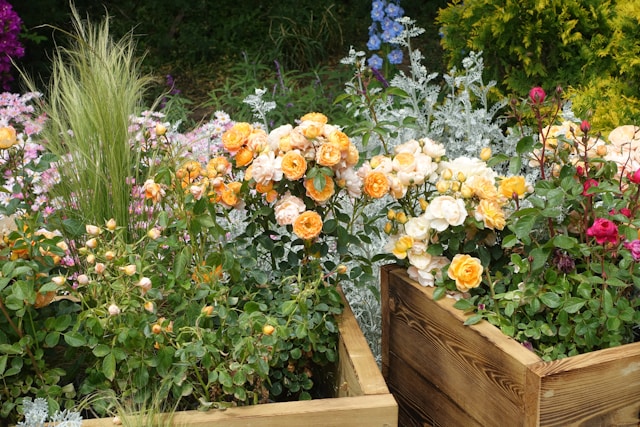
- Wood boards (cedar and redwood last longer)
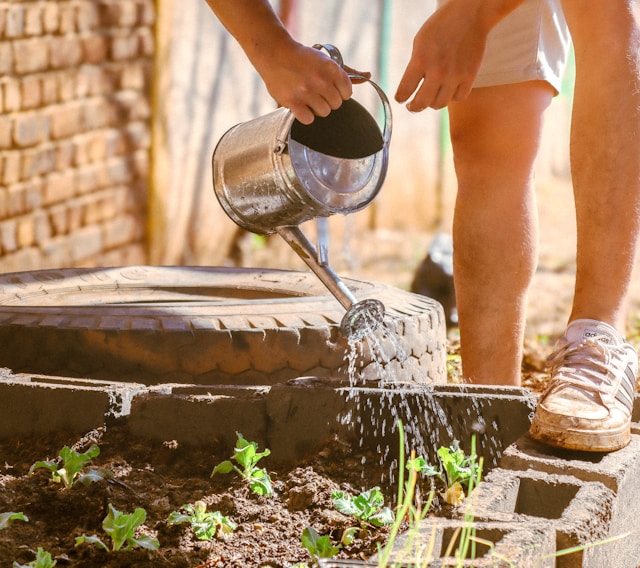
- Bricks, stones or concrete blocks
- Metal or plastic raised bed kits
- Recycled pallets or other materials
Avoid treated woods that might leach chemicals into your soil unless they’re known safe for food gardens.
4. Construct the frame
Build the frame strong enough to hold soil. If you’re using wood, screws or brackets help keep boards together. For heavier soil beds, add braces so the sides don’t bow outward as the soil pushes on them.
5. Prepare the soil
A good soil mix is key. A typical mix might include:
- 40% compost (nutrient-rich and feeds plants)
- 40% topsoil (the base soil)
- 20% aeration material like perlite, pumice or rice hulls for drainage
Add this mixture and water it well so the soil settles. Top off with mulch to retain moisture and suppress weeds.
Planning the layout
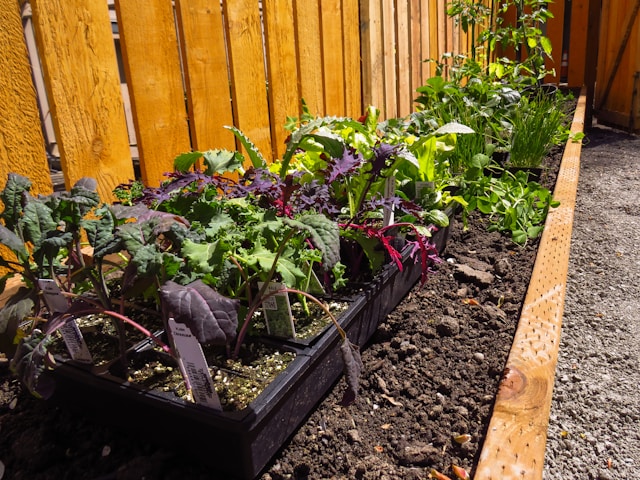
Put things like taller plants on the north side of a bed so they don’t shade shorter plants, and use trellises for vines to maximize vertical space. Beds that run north–south tend to get more even sun across the day.
Leave space between beds — 60–90 cm paths — so you can move around comfortably with tools. Gravel, wood chips, or stepping stones make good walkways.
Maintaining it
Here are some things you can do to look after your raised garden beds in each season:
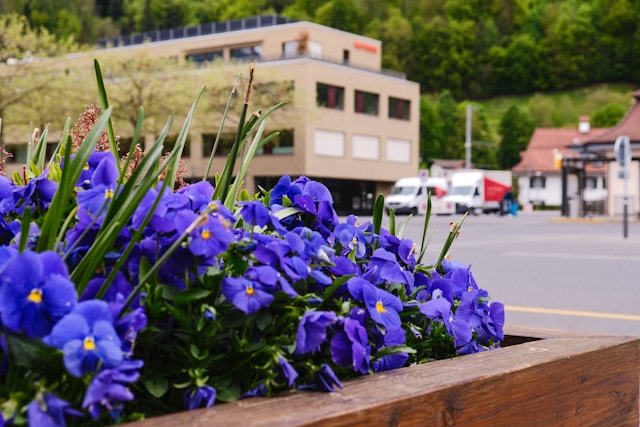
- Spring: Refresh the soil with a thin compost layer, clean up old growth, and plant early flowers like pansies and primroses as the beds warm up.
- Summer: Water deeply in the mornings, mulch to hold moisture, and deadhead blooming flowers like dahlias and cosmos to keep them producing.
- Autumn: Clear out faded annuals, plant hardy fall flowers and spring bulbs, and add compost to help perennials settle in before winter.
- Winter: Protect roots with a thick mulch layer, water evergreen flowers sparingly during dry spells, and check bed frames while planning for spring.
Mistakes to avoid
- Making beds too wide — aim for something you can reach across without stepping in.
- Using poor soil — quality soil is what makes raised beds shine.
- Not adding supports — tall plants can push against the bed sides.
Wrapping up
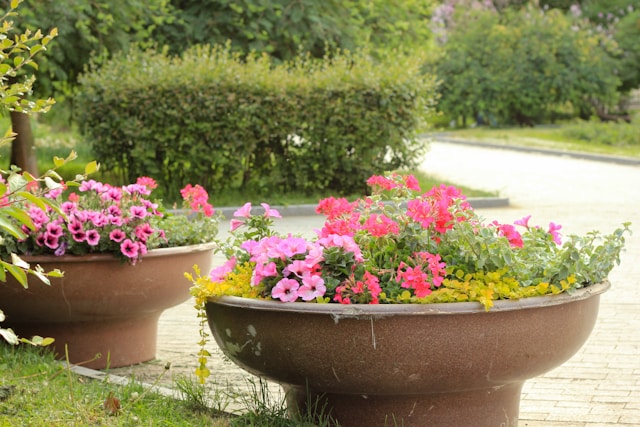
Raised garden beds bring many benefits: better soil, improved drainage, earlier planting, easier maintenance, and greater control over pests and weeds. Whether you’re growing flowers, vegetables or herbs, raised beds let you use your space creatively and successfully — even if your ground soil is poor or you have limited outdoor space.
They’re not just practical — they can be beautiful structures in your garden that keep gardening fun and rewarding season after season.