Designing and maintaining a rock garden
By: Maggie & Pippa C.
Date: 11 February 2026
If you’ve ever walked through a garden and noticed a section that looks almost like a bit of wild nature — stones poking out of the earth, colorful little plants nestled into cracks, dry riverbed-like swaths of gravel — you’ve seen the magic of a rock garden. A rock garden (also called a "rockery") is more than just piling stones and planting a few flowers around them. It’s a way to bring a tiny, rugged landscape into your own outdoor space — one that feels natural, textured, and a bit adventurous.
What a rock garden is
At its simplest, a rock garden is a section of your garden designed around rocks, stones, gravel and plants suited to this kind of setting. Often these gardens mimic the look of natural rocky areas — think alpine slopes, mountain screes, or desert outcrops — where hardy, low-growing plants thrive between stones and in shallow soil.
Rock gardens can be built anywhere — on a sunny slope, in flat ground, along walkways, around patios, or even in containers or troughs for small spaces. Some people build huge rock features, others keep it sleek and minimalist. The key idea is texture and contrast: the rough edges of stones paired with the soft greenery and flowers of the plants.
What makes rock gardens popular
Rock gardens have some big advantages over other garden styles:
They look natural and timeless
When done well, a rock garden mimics nature. The stones, soil and plants come together in a way that feels organic and layered, as if the landscape formed over years rather than being put together by hand.
Great for good drainage
Most rock garden plants don’t like "wet feet". The rocks and gravel help water drain quickly, which is great for drought-tolerant plants and keeps roots healthy.
Lower maintenance
Once established, many rock garden plants are low-maintenance, hardy, and need less water and feeding than traditional flowerbeds. The stones also help suppress weeds.
Lots of design freedom
You can choose a style — alpine, desert-like, cottage-inspired, minimalist Zen — and express your creativity with stone patterns, plant colours and textures, even pathways or small water features.
Types of rock gardens
There’s no single way to make a rock garden. Here are a few common approaches:
Alpine rock garden
Inspired by high mountain slopes, this style uses rocks and tiny alpine plants that naturally grow in shallow, stony ground. These plants are often low to the ground and hardy in cool conditions.
Desert or xeriscape rock garden
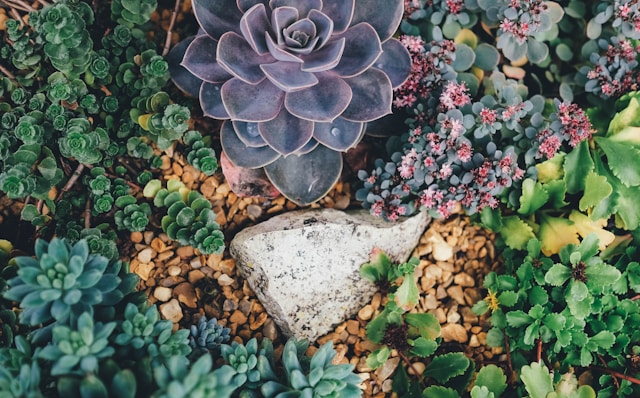
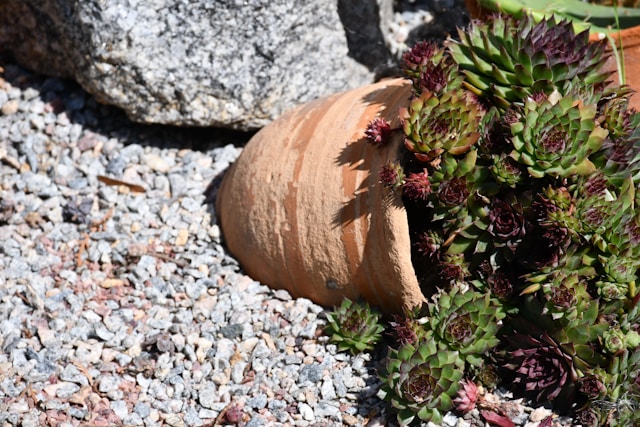
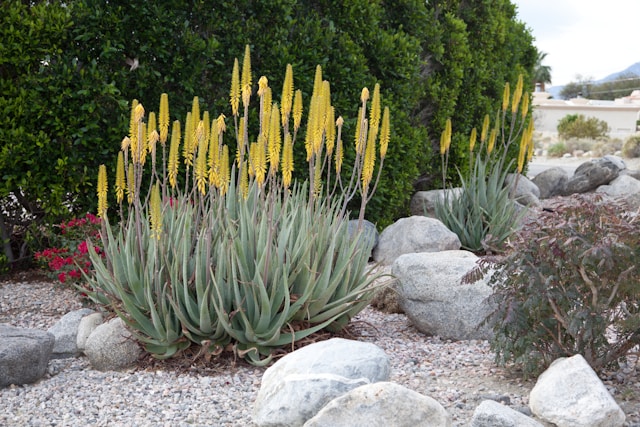
This style mimics arid landscapes. Use succulents and drought-tolerant plants among warm-toned stones or gravel. It works especially well in dry climates.
Mixed rock garden
A more general style combines stone placements with a variety of perennials, small shrubs, and groundcovers to create soft contrasts with the hardscape.
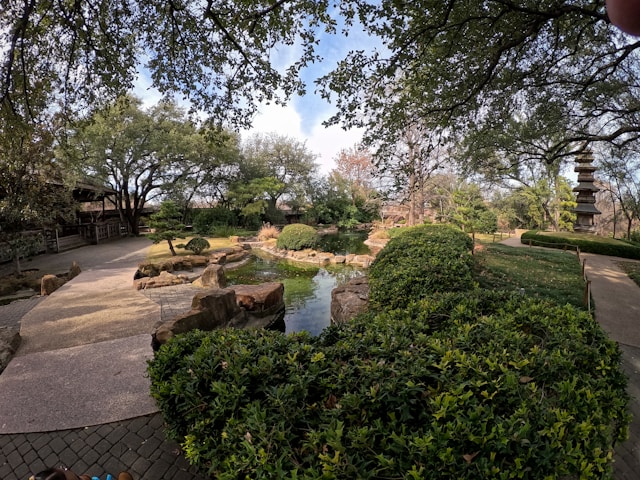
Japanese-inspired rock garden
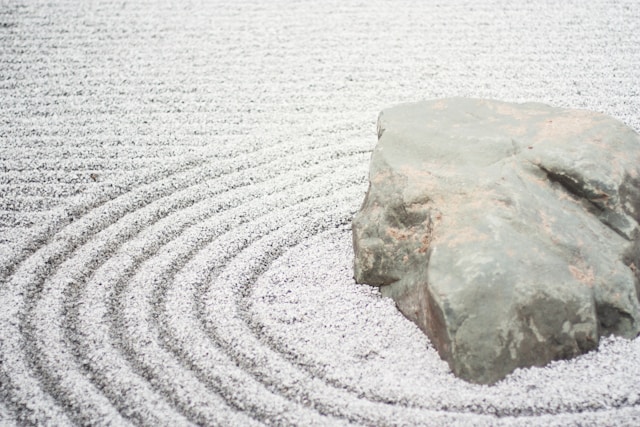
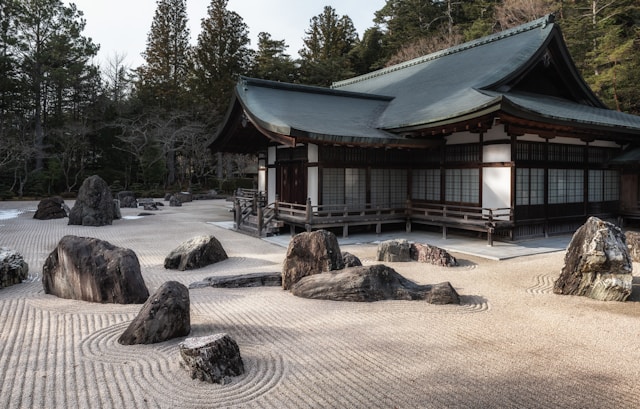
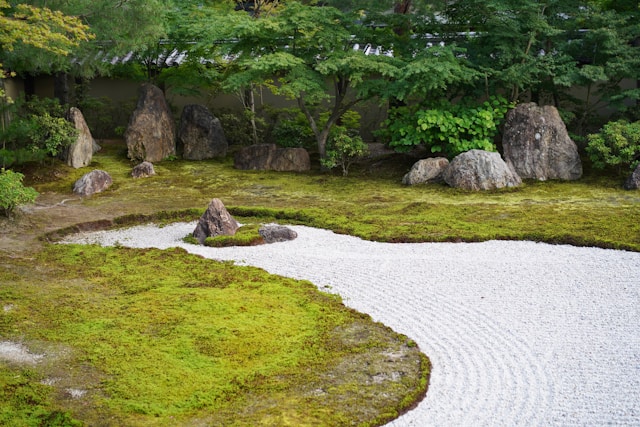
Though not always planted with many flowers, this style emphasizes stone, sand and minimal plants to create a tranquil, meditative space reminiscent of Zen gardens.
Design basics
Before you haul rocks and start digging, a bit of planning makes all the difference. Here’s how to think about it in steps:
1. Choose the right spot
A good rock garden usually gets a lot of sunlight — most of the plants used love sun. Avoid areas that stay soggy or are shaded by big trees (roots take up water and shade out rock garden plants). Slopes or raised beds are even better because they improve drainage.
2. Think about stone selection
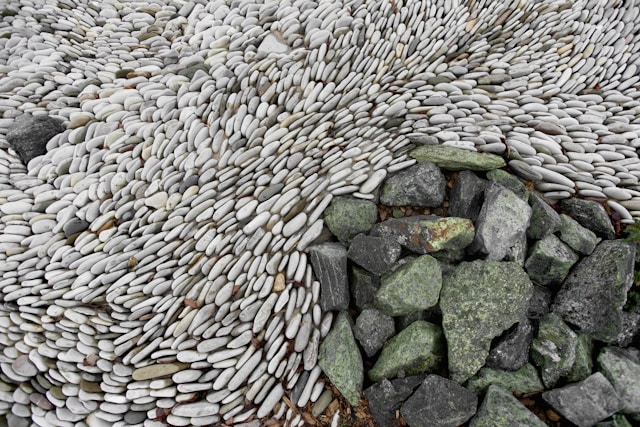
Stones should feel like they belong in your garden. Many gardeners pick rocks that are local to their area so the garden blends with the surrounding landscape. Use a mix of sizes (big rocks for focal points, medium rocks for structure, and smaller gravel around plants) to keep things interesting.
3. Plan for drainage
Drainage is critical in rock gardens. Many designs call for soil mixed with sand or gravel and sometimes a slight slope so water doesn’t pool around plant roots. Heavy clay soils can be amended with grit to help water flow away.
4. Map it out first
It’s a good idea to visualize where rocks and plants will go before you start. Lay out the big stones first, then imagine pockets of soil in between where plants can be placed. That way the hardscape and softscape look balanced.
Building it
Here’s a simple way to approach the actual construction:
1. Clear and prepare the ground
Remove weeds and grass from the area. If drainage is poor, add a layer of gravel or broken stone down first. This gives plants a well-drained base.
2. Place larger stones first
Start with the biggest rocks. Partially bury them (about a third under soil) so they look natural — like they’ve always been there. Angle stones slightly backward to help rainwater run off.
3. Add smaller rocks and gravel
Fill in around the big stones with smaller stones and gravel to create texture and planting space. Think of it like a natural hillside — stones embedded in soil, not just laid on top.
4. Add soil and planting pockets
Where you plan to plant, dig small pockets of soil that are deeper and richer than the rest. Then place your plants there, filling the surrounding cracks with gravel so water doesn’t sit around their crowns.
Choosing plants
Plant choice is one of the fun parts because it’s where colour, texture and personality come in. In general, rock garden plants like well-drained soil, moderate to low water, and sun, but there are lots of varieties to choose from depending on your climate.
Here are some great options that many gardeners use:
Succulents and drought-tolerant choices
- Stonecrop (sedum) — small, fleshy leaves and star-like flowers
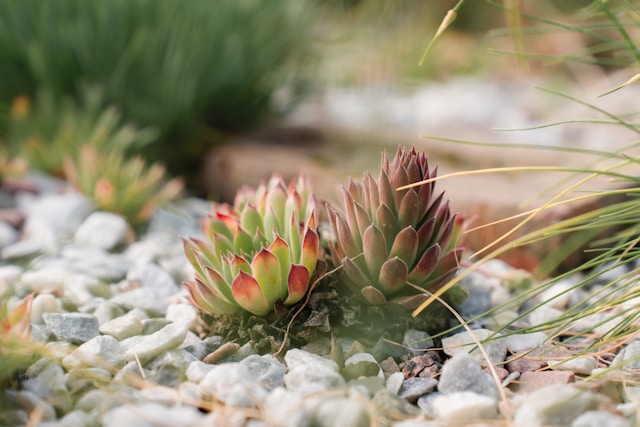
- Hens and chicks — rosettes that spread and fill gaps
- Ice plant — bright, daisy-like flowers
- Prickly pear cactus (in warm climates) — bold, architectural form
Alpine and perennial plants
- Rock cress — early spring colour
- Basket of gold — bright yellow blooms
- Dianthus — low, fragrant blossoms
- Campanula (dwarf bellflower) — delicate purple shades
Shrubs and evergreens
- Dwarf conifers — evergreen structure through the year
- Miniature pine — adds shape and contrast
Herbs and mediterranean plants
- Lavender — fragrance and colour
- Thyme — groundcover with tiny flowers
- Rosemary — fragrant and evergreen
Others
- Creeping groundcovers — fill in the gaps gently
- Small grasses — texture and movement
Group plants with similar light and water needs together so they’re easier to care for — for example, drought-tolerant plants in sunnier, drier spots, and slightly richer soil plants where water sticks around a bit longer.
Maintaining it
A rock garden usually needs less upkeep than a traditional flowerbed, but it still needs some attention:
Water wisely
Rock garden plants tend to like it dry between waterings. Water deeply but less often, and always check the soil before watering again so the roots don’t sit in moisture.
Weed regularly
Weeds can still pop up between stones. A layer of gravel or rock mulch helps suppress weeds, but you’ll still need to keep an eye out and pull them when they appear.
Prune and refresh
Trim back plants that get too large so they don’t overwhelm the stones. Divide and renew clumps every few years to keep things fresh.
Seasonal care
Some plants might need protection in extreme heat or frost — for example, tender succulents can be covered or moved indoors during cold snaps.
Wrapping up
A rock garden is a beautiful way to bring a sense of wild nature into your yard. With careful planning, the right stones, and plants that thrive in well-drained, sunny conditions, you can create a landscape that’s both low-maintenance and visually striking. Whether you’re drawn to tiny alpine blooms or dramatic succulents, there’s a rock garden style that fits your space and personality.
Rock gardens honor texture, colour and form, and invite you to rethink how plants and stones can live together in harmony — all while making your outdoor space feel more alive and interesting.