Designing and maintaining a bonsai
By: Maggie & Pippa C.
Date: 8 February 2026
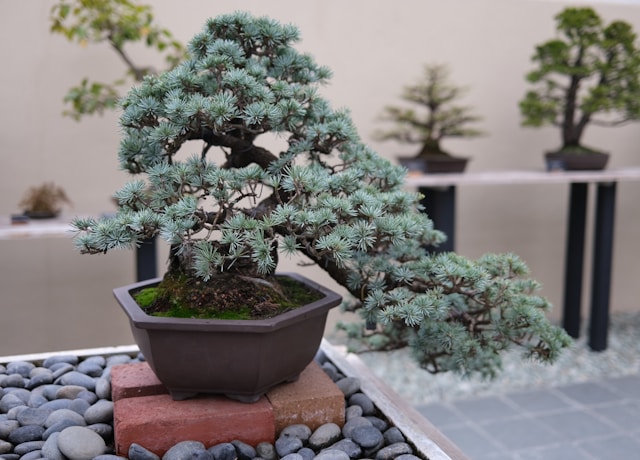
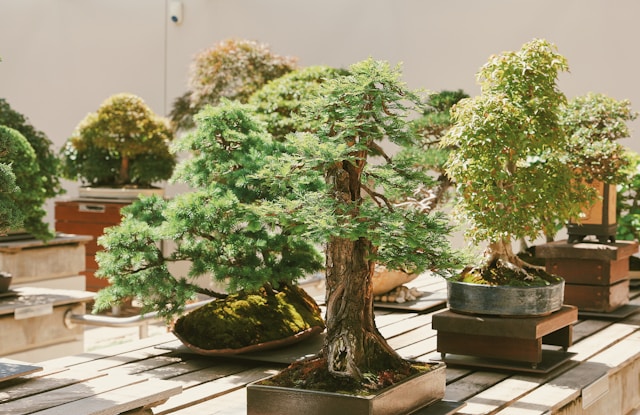
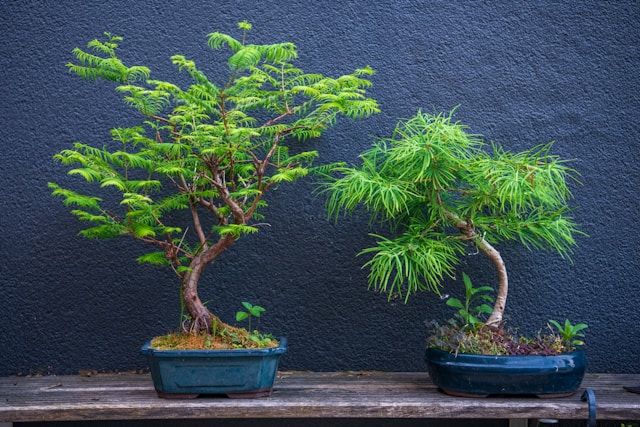
When you think of a backyard tree, you probably imagine something tall — maybe 5–15 m tall or more. But what if you could take that same tree shape and shrink it down so it lives in a pot no bigger than 30–40 cm across, maybe even smaller? That’s the magic of bonsai — a mix of gardening and art that turns ordinary trees into tiny living sculptures.
Bonsai is a Japanese word that literally means "tray planting" — "bon" (tray) and "sai" (planting). It’s part horticulture and part artistic expression, where real trees are trained to stay small and shaped to look like full-size trees found in nature.
The origin of bonsai
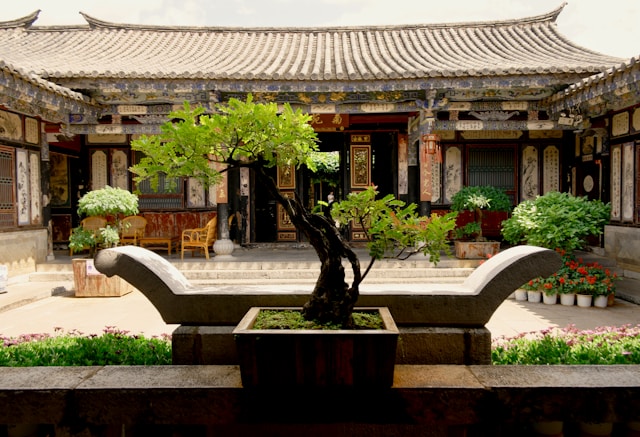
Although bonsai is deeply associated with Japanese culture, the idea of growing miniature trees didn’t start there. The practice traces back over a thousand years to ancient China, where people created miniature trees in shallow containers as part of an art form called "penjing". These early miniature landscapes included trees, rocks, and sometimes water to represent entire landscapes in miniature.
When Buddhism spread from China to Japan, the Japanese adopted and refined the practice. By the 12th–14th centuries, Japanese growers were developing their own approach to tree miniaturization and aesthetics — building what we now think of as classic bonsai. By the 18th century, bonsai had become widespread in Japan, with exhibitions and dedicated enthusiasts.
Some of the oldest known bonsai in the world were shaped hundreds of years ago. For example, a pine tree known as Sandai Shōgun in Tokyo’s Imperial Palace collection has been cared for as a bonsai for over 500 years.
Why is bonsai different
A bonsai isn’t just a small tree in a pot. The goal is to create a living tree that looks old and natural — as if a full-grown tree was somehow miniaturized by nature itself. Bonsai artists focus on things like:
- Proportion: Small leaves and short needles help the tree look balanced at mini size.
- Trunk movement: Twists, curves, and texture make the trunk feel aged and weathered.
- Branch spacing: Open spaces between branches give visual depth and harmony.
- Roots and base: Often the lower trunk is bare, making the tree look grounded and natural.
The art also tries to capture a sense of wabi-sabi — the Japanese idea that beauty lies in simplicity, imperfection, and age. The feel is often calm and reflective, not flashy or overly symmetrical.
How a bonsai is made
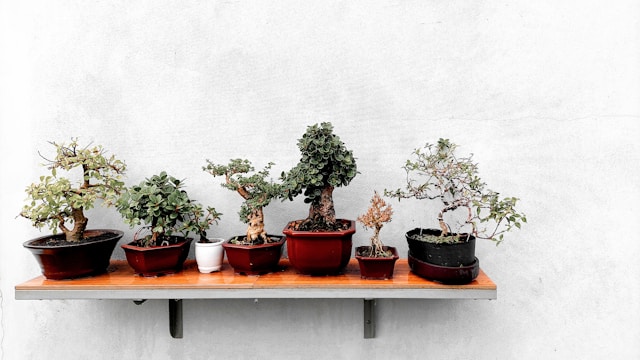
At its heart, bonsai is about training a normal tree to stay small and shaped. It doesn’t require genetically dwarf trees — the plants could be regular species like maple, elm, cedar, pine or even flowering trees — but they are modified through technique:
Pruning
Pruning removes parts of roots and branches so the tree’s growth is limited. Trimming branches also helps control shape and size and encourages new growth in the right places.
Wiring
Thin wire made of copper or aluminium is wrapped carefully around branches to bend and position them where the artist wants them. Over time, the branch "remembers" the shape and holds it without the wire.
Repotting
Every 1–5 years or so, the bonsai needs to be repotted. Roots grow quickly, and if they’re not trimmed and managed, they can outgrow the container and stress the tree. Repotting also refreshes the soil.
Defoliation
For some species, removing leaves at the right time can encourage smaller leaf growth — which helps keep everything in scale.
All of these processes take time and patience. Bonsai isn’t about quick results — many trees take years to develop the look the grower wants, and a well-kept bonsai can live for centuries, passed from one generation to the next.
Bonsai styles
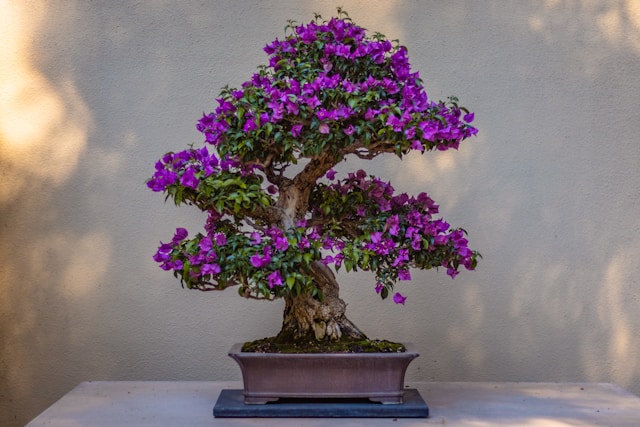
Bonsai comes in many shapes and compositions, each with its own feel:
- Formal Upright: Trunk is straight and balanced, classic and traditional.
- Informal Upright: Trunk has gentle curves for a more natural look.
- Cascade: Branches and trunk flow downward, like a tree on a cliff.
- Forest: Multiple small trees planted together to look like a tiny woodland.
- Root-over-Rock: Roots cling over a rock — like trees you see growing on rocky cliffs.
These styles all reflect real tree forms seen in nature, just in miniature.
Bonsai as art and meditation
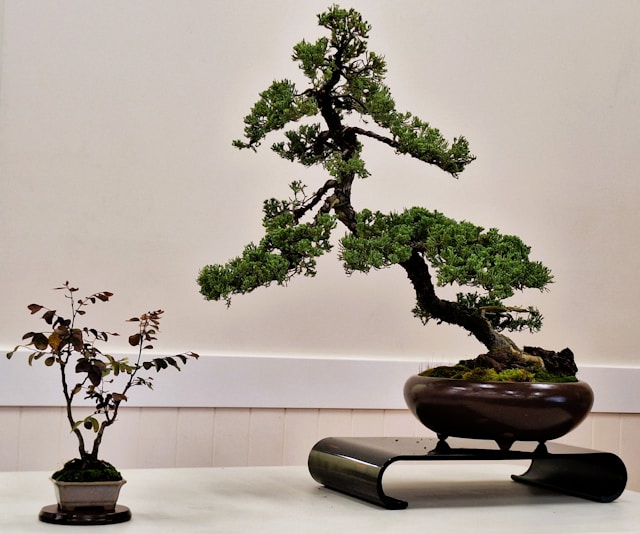
Growing bonsai is more than gardening. For many people, it’s a reflective, almost meditative practice. Watching a tree change over years, adjusting its shape, and caring for its growth gives a sense of patience and connection with nature. Even the choice of pot — usually shallow and artfully matched to the tree — is part of the creative process.
Bonsai also encourages a long-term perspective. Unlike most houseplants that you might replant or discard within a few years, a bonsai can become a family heirloom, cared for over generations.
Maintaining it
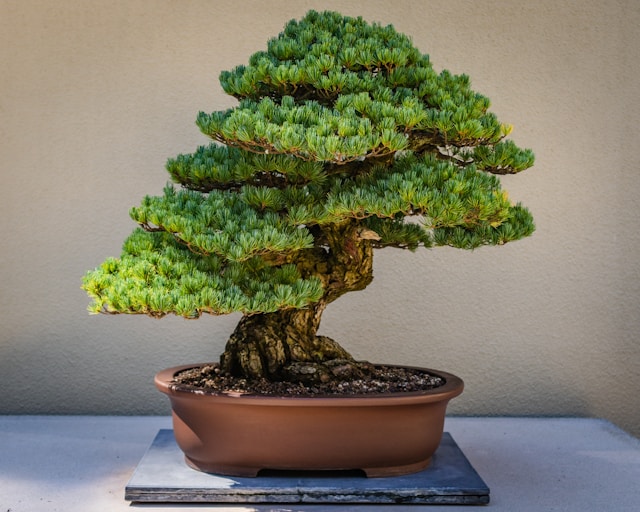
Bonsai are living trees that need proper sunlight, water, and nutrients:
- Sunlight: Most outdoor bonsai like bright light — often 4–6 hours a day or more depending on species.
- Water: Water regularly so the soil stays moist but not soaked; they’re in shallow pots where water evaporates quickly.
- Soil: Bonsai soil mixes are well-draining to prevent root rot.
- Fertilizer: Regular feeding in growing seasons keeps the tree healthy.
Care routines vary a lot by species — a maple needs different attention than a juniper or a tropical bonsai like ficus — but beginners often start with hardy types that are forgiving of mistakes.
Around the world
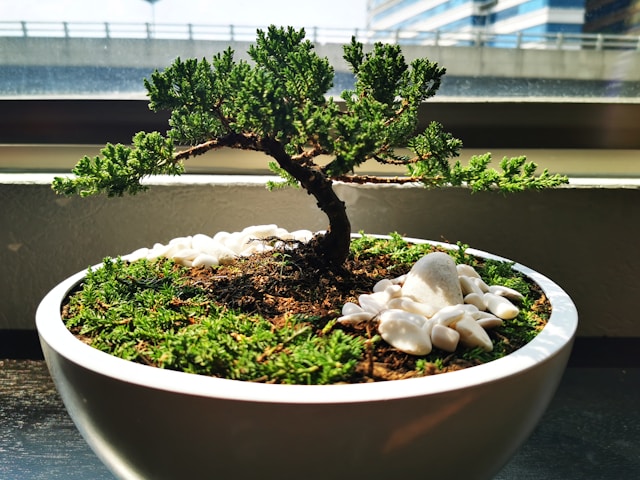
Today, bonsai has spread far beyond Japan. Enthusiasts and clubs exist everywhere — Europe, the Americas, Australia, and even Africa — where people meet, share trees, and exchange tips. Bonsai exhibitions and competitions draw audiences fascinated by these tiny, centuries-old living artworks.
Even though each region has its own plants and climates, the core idea stays the same: make a tree look beautiful and natural, just in miniature.
Wrapping up
Bonsai teaches patience. It takes years to shape a tree, watch it grow, and refine its look. It connects people with nature, encourages focus and creativity, and offers a way to slow down a bit in a fast world. Whether you’re a beginner with a small ficus on a windowsill or a dedicated grower with a collection of different species, bonsai is about enjoying the process as much as the result.
In essence, bonsai is the art of growing miniature trees in shallow containers, influenced by centuries of tradition from China and Japan. It’s a mix of horticulture, design, philosophy and patience. With the right care and time, a bonsai can become not just a plant, but a piece of living art — one that grows, changes, and tells a story of time.