There's more to a flowerpot than you think
By: Maggie & Pippa C.
Date: 23 April 2026
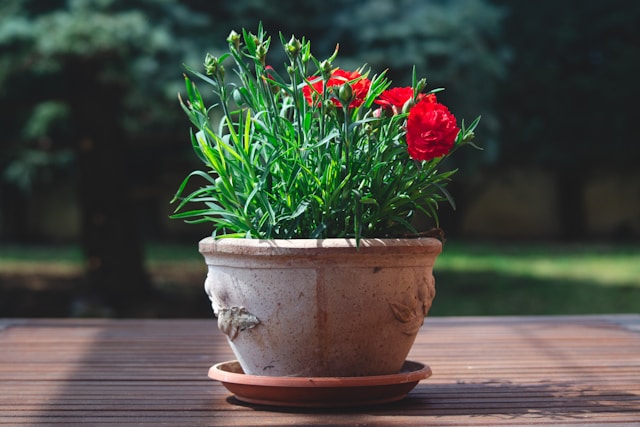
What a flowerpot is
A flowerpot is a container used for growing plants. It usually holds soil and provides space for plant roots to develop. Gardeners place flowers, herbs, vegetables, or small shrubs inside these containers so the plants can grow in controlled conditions.
Even though the name suggests flowers, flowerpots are used for many different types of plants. Houseplants, seedlings, herbs for cooking, and decorative plants are all commonly grown in pots. In fact, for many people living in apartments or homes without gardens, flowerpots are the main way to grow plants at all.
Because pots are portable, they make gardening much more flexible. A plant can easily be moved to a sunnier location, brought indoors during bad weather, or rearranged to change the look of a space.
Typical shape and design
Most flowerpots have a fairly simple design. The classic shape is round with slightly sloping sides that become narrower toward the bottom. This shape helps when it is time to remove the plant for repotting. The soil and root ball can slide out more easily compared to a straight-sided container.
Another important feature is a drainage hole at the bottom of the pot. This hole allows excess water to escape after watering. Good drainage is important because plant roots need air as well as moisture. If water stays trapped in the pot, the roots may rot.
Flowerpots come in a wide range of sizes. Some are tiny containers used for starting seeds or small cuttings. Others are large planters capable of supporting shrubs or small trees. Decorative outer pots are also common indoors, where they help plants blend with the design of a room.
Common materials used for flowerpots
One of the oldest and most traditional materials used for flowerpots is terracotta. Terracotta pots are made from baked clay and are usually reddish-brown in color. They remain popular because they are durable and slightly porous, which allows moisture and air to pass through the walls of the pot.
Plastic is another very common material today. Plastic pots are lightweight, inexpensive, and easy to produce in large numbers. For this reason, many plants sold in garden centers and nurseries come in plastic containers.
Ceramic flowerpots are often used for decorative purposes. They may be glazed in bright colors or detailed patterns and are commonly used indoors. Larger outdoor containers may also be made from materials like wood, metal, fiberglass, or stone.
In recent years, biodegradable pots have become more common. These can be made from compressed paper, peat, or coconut fiber. They are often used for seedlings because the entire pot can sometimes be planted directly into the soil, reducing root disturbance.
Why flowerpots are useful
The biggest advantage of flowerpots is that they make gardening possible almost anywhere. Plants can be grown on balconies, rooftops, windowsills, patios, or indoors. This flexibility is especially useful in cities where outdoor space is limited.
Pots also give gardeners more control over growing conditions. The soil mixture, watering schedule, and plant placement can all be adjusted more easily than in a traditional garden bed. If a plant needs more sunlight, the pot can simply be moved closer to a window or brighter area.
Another benefit is mobility. Plants grown in containers can be moved during seasonal changes. For example, a plant that spends summer outdoors might be brought inside during colder months.
A container with a long history
Flowerpots have been used for thousands of years. Ancient cultures such as the Egyptians and Romans grew plants in containers and sometimes moved them indoors or into sheltered spaces when necessary. Over time, these containers became a standard part of gardening around the world.
Today, flowerpots remain one of the simplest tools a gardener can use. Whether made from clay, plastic, or ceramic, the basic idea has stayed the same for centuries: a portable container that allows plants to grow wherever people want a little bit of greenery.