What is it with the snake plant?
By: Maggie & Pippa C.
Date: 16 February 2026
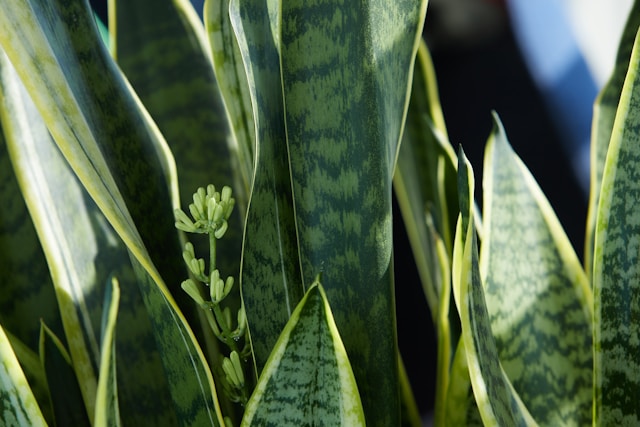
What it is
If you’re new to houseplants or just want something that looks sleek and doesn’t require constant attention, the snake plant is one of the best options out there. You might see it in stores labeled as Dracaena trifasciata, or hear people call it "mother-in-law’s tongue" — a name inspired by its tall, pointy leaves. But whatever you call it, this plant is one of the most popular indoor plants for good reason.
How it looks
Snake plants have stiff, upright leaves that grow directly from the base. The leaves are typically long and sword-shaped — many varieties reach about 30–90 cm tall, and some even grow over 1 m in height, depending on the type. The leaves are usually green with darker green bands or stripes, but there are also varieties with yellow-edged margins or lighter green patterns.
Unlike most houseplants with soft foliage, snake plant leaves are thick and fleshy because they store water. That’s part of what makes them so resilient and low-maintenance.
Where it came from
The snake plant originally comes from tropical West Africa (e.g., Nigeria and the Democratic Republic of the Congo). In the wild, it grows in relatively dry, shady spots, which helps explain why it handles indoor life so well. Over time, it became popular worldwide as an indoor plant thanks to its tolerance for a wide range of conditions.
Why it is popular
There are a few reasons the snake plant is popular:
- Very forgiving: It doesn’t mind if you skip watering now and then because it stores water in its leaves. That makes it great for beginners or busy plant lovers.
- Tolerates low light: While many plants need bright light, snake plants will still grow (just slower) in lower light areas — great for offices or rooms without big windows.
- Improves air quality: Some studies suggest snake plants can help filter indoor air by removing certain toxins, though usually you need more than one plant to make a noticeable difference.
How to grow it
- Light: Grows in bright, indirect light, but also tolerates lower light. Avoid direct hot midday sun that can scorch leaves.
- Water: Wait until the soil is dry 3–5 cm down before watering again. In winter, water even less.
- Soil: Use well-draining potting mix so water doesn’t sit around the roots.
- Temperature: Prefers 15–30 °C — it doesn’t like frost or cold drafts.