The beloved rose
By: Maggie & Pippa C.
Date: 14 February 2026
What it is
Roses are flowering plants in the genus Rosa, which belongs to the rose family. They’re among the most widely grown and admired flowers in the world, loved for their beauty, variety, scent, and cultural meaning. Most species are native to the Northern Hemisphere, especially Asia, but roses have been grown and bred in many parts of the world for thousands of years.
How it looks
Roses usually grow as woody shrubs, but some types can be climbing vines or groundcovers. Their stems often have prickles — those sharp outgrowths people call "thorns", though they’re technically prickles. The plants typically have compound leaves with about 3–9 leaflets arranged along a stem.
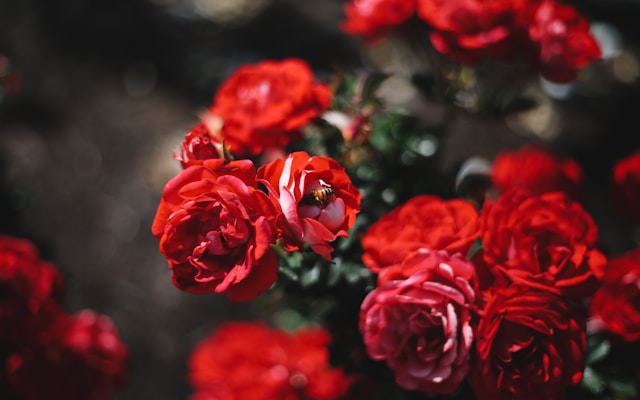
The flowers are the real star. Wild roses normally have five petals, but cultivated garden roses often have many more — dozens or even hundreds — depending on how they’ve been bred. Colours range from white to pink, yellow, orange and deep red, and many kinds have a pleasant fragrance that adds to their appeal.
Size varies a lot depending on type and variety. Some roses stay compact and low, under 30 cm tall, while climbing roses can reach several metres high on supports. Bush roses in gardens are often about 1–2 m tall with wide, rounded shapes.
Where it came from
Wild roses are found across Asia, Europe, North America and northwest Africa, thriving in temperate climates. People have been cultivating roses for thousands of years, crossing species and selecting traits like colour, shape, fragrance and repeat blooming. Today there are tens of thousands of garden rose varieties, from classic romantic roses to modern hybrids.
Some well-known species and hybrids include fragrant old roses used historically in perfumery, and modern garden favourites like hybrid tea roses, floribunda, grandiflora and climbing roses.
Fruit
After flowering, many roses produce a fruit called a rose hip, which is usually red or orange and round. Rose hips are rich in vitamin C and can be eaten or used in teas, jams and preserves, especially in wild species.
Uses
Roses are often called the "queen of flowers" around the world. They’re symbols of love, beauty and emotion, and are used in celebrations, gardens, bouquets and public plantings. Their wide range of colours, sizes and scents means there’s a rose for almost every taste and garden style.
Roses also appear in perfume, cosmetics, and food flavourings — from rose water to sugared petals — thanks to their fragrance and cultural symbolism.