What is aloe vera?
By: Maggie & Pippa C.
Date: 5 February 2026
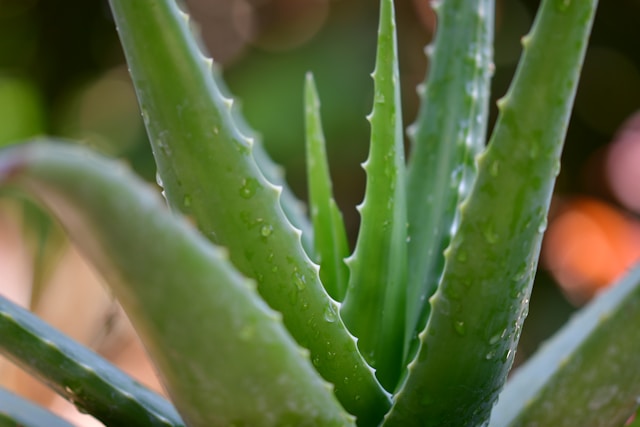
What it is
Aloe vera is a plant with thick, fleshy leaves that look kind of like a cactus. Its name literally means "crocodile tail plant". It’s originally from the Arabian Peninsula but now grows all over the world because people like to use it for lots of things.
How it looks
- The plant usually doesn’t have much of a stem; the leaves grow in a rosette shape.
- Leaves are thick and full of a jelly-like clear gel inside.
- The edges can be spiky and some varieties have little white spots.
- It can flower with yellow, red, or white blooms in the right season.
Where it came from
Aloe vera started in the Arab world and spread to Europe and Asia. People now plant it in gardens or in pots because it’s easy to grow.
What it is used for
Aloe vera is really popular because of the goo inside its leaves:
- That gel is used on burns, sunburns, cuts, and irritated skin because it cools and soothes.
- Some ointments and lotions include it thanks to its skin-healing and antibacterial properties.
- Traditional uses include treating stomach problems and helping wounds heal faster.
How to grow it
It’s a super easy plant to grow:
- Likes well-drained soil and moderate watering (don’t water too much or the roots rot).
- Thrives in sunlight but can also grow in pots indoors.
- You can plant new ones from the little offshoots (baby plants) that grow beside the main plant.
Where it can be found in everyday life
Nowadays, Aloe vera isn’t just a garden plant — it’s everywhere:
- You’ll find its extract in skincare products, hair treatments, and creams.
- It’s simple enough for basic home first-aid (like after a sunburn), but it also pops up in beauty products for moisturizing and soothing skin.