Fun facts about sunflower
By: Maggie & Pippa C.
Date: 21 January 2026
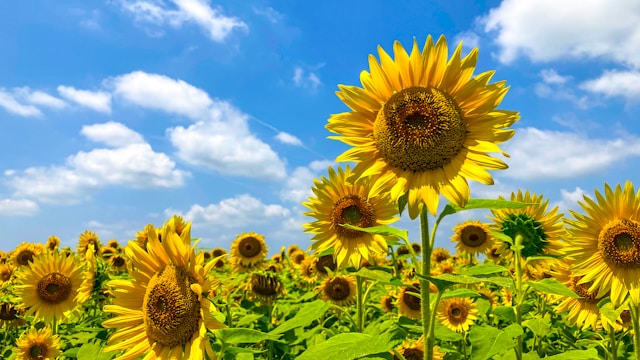
What it is
A sunflower is a type of annual flowering plant in the daisy family, and the most well-known species is Helianthus annuus — the big, bright flower most people picture when they hear "sunflower". The name Helianthus comes from Greek: helios means "sun" and anthos means "flower".
These plants usually grow on a tall, sturdy stem that can reach about 3 meters high, and the flower head — which is actually a cluster of many tiny flowers — can be around 30 centimeters wide.
Where it came from
Sunflowers originally come from Central America, and there’s evidence that people in Mexico were growing them about 2,600 years ago.
There’s also a cool old Greek myth connected to sunflowers: a nymph named Clytie was in love with the sun god Apollo and stared at him every day. Eventually, her body turned into a sunflower — which is why sunflowers seem to "look" toward the sun.
What it is used for
Sunflowers are useful plants:
The seeds are rich in oil, and when you press them, you get sunflower oil. This oil has lots of unsaturated fats, so it’s often used in cooking, frying, and salad dressings. It’s also used in things like leather processing and for various industrial purposes.
Sunflowers can be good for the soil. They help improve soil health and can even absorb certain heavy metals (like lead) from contaminated soil, making them useful in environmental cleanup projects.
Young sunflower sprouts are also eaten or used in some dishes and are popular with people who like fresh, nutritious greens.
One more thing
Sunflowers are easy to grow and love sunny spots — which makes them a favorite in gardens, farms, and flower fields. They’re cheerful, bold, and just unmistakable with their golden petals and dark centers. Even though it’s one plant species, farmers and gardeners have bred many varieties, including dwarf types for small gardens or giant types for big fields or cut flowers.