Learn about hydrangea
By: Maggie & Pippa C.
Date: 31 January 2026
What it is
Hydrangea is a group of flowering plants that includes about 70+ species and belongs to the Hydrangeaceae family. These plants naturally grow in Asia (especially eastern Asia like Japan, China, and Korea) and also in the Americas.
How it looks
- Most hydrangeas are shrubs about 1–3 meters tall, but some can be small trees or even climbing vines that use other plants to climb.
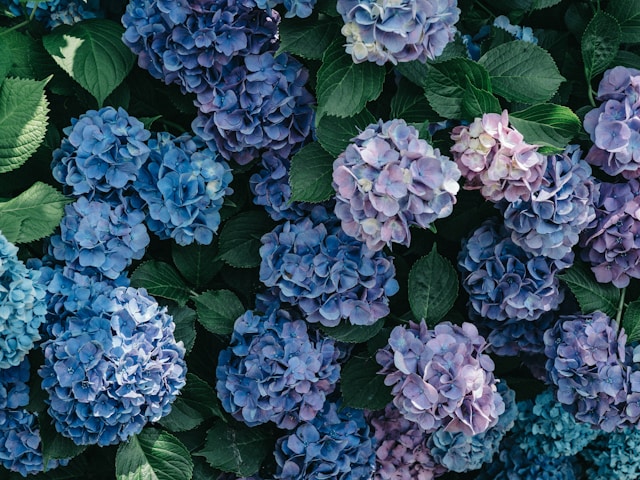
- They’re best known for their big, showy flower clusters that make them popular in gardens and as ornamental plants.
What is interesting about it
- Hydrangea flowers can change color depending on the soil — the acidity of the soil affects whether blooms appear blue, pink, or purple.
- Some species have different styles of flowers — like "mophead" big rounded clusters or "lacecap" flat clusters with decorative outer blooms.
- The name Hydrangea comes from Greek roots meaning something like "water vessel", because of the plant’s seed capsule shape.
Where and how it is used
- Hydrangeas are super common in gardens, parks, and floral arrangements around the world.
- Some hydrangea species are also used to make herbal teas.