Let’s get to know hibiscus
By: Maggie & Pippa C.
Date: 24 January 2026
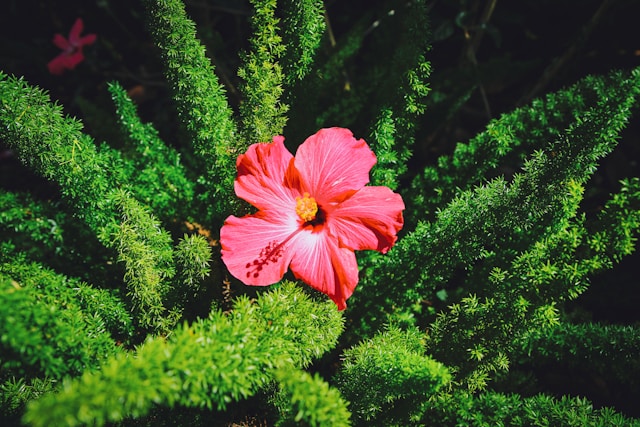
What it is
Hibiscus is a group of flowering plants in the mallow family. These plants can be shrubs, small trees, or herbs, and they’re known all around the world, especially in tropical and subtropical regions. There are over 200 species of hibiscus, and many of them are popular in gardens, parks, and even as houseplants.
How it looks
Hibiscus plants can look quite different depending on the species, but most share some familiar features:
- They often have big, eye-catching flowers that come in lots of colors — white, pink, red, orange, and more, sometimes with darker centers.
- The flowers usually don’t last long — many open in the morning and fall off by the end of the day.
- Leaves are simple and can be smooth or lobed.
In general, hibiscus blooms are bold and dramatic, making them a favorite for ornamental gardens and balconies.
Where it grows
Hibiscus natural habitats stretch across warm parts of the world, especially in tropical and subtropical climates. That’s why you’ll see them in places like Southeast Asia, Africa, and parts of the Americas. But because they’re so popular, people grow them pretty much everywhere — as outdoor shrubs in warm areas or as potted plants indoors where it’s cooler.
What it is used for
Hibiscus isn’t just a pretty flower — it’s useful in a bunch of ways:
Many species, like Hibiscus rosa-sinensis (Chinese hibiscus), are grown simply because their flowers look amazing. There are tons of varieties with different colors and petal types that make gardens pop in summer.
One species, Hibiscus sabdariffa (often called roselle), is famous for its bright red calyxes — the part of the flower that surrounds the petals. These are used to make tart drinks and syrups, and in many parts of the world they’re enjoyed as tea or juice full of flavor and vitamin C.
In some cultures, hibiscus has been used in folk remedies and traditional medicine. For example, hibiscus tea is often touted for its antioxidants and potential health benefits (like lowering blood pressure or being good for digestion) — although science is still exploring many of these claims.
Some hibiscus species have even been used for things like textiles and fiber (e.g., Hibiscus cannabinus), and parts of the plant find their way into crafts or other practical uses.