What is begonia?
By: Maggie & Pippa C.
Date: 20 January 2026
What it is
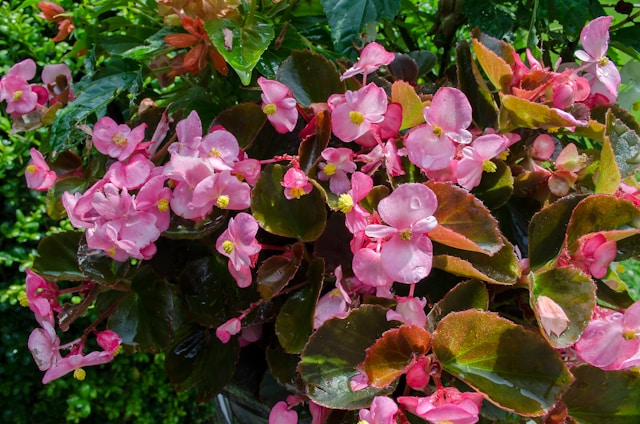
Begonia refers to a group of flowering plants in the Begoniaceae family, and it’s one of those plant names you see everywhere — from garden beds to indoor pots. What links all begonias together is their asymmetrical leaves (usually a bit lopsided), their cute flowers, and the fact that they come in tons of shapes and looks.
The name Begonia goes back to a French plant enthusiast named Michel Bégon (1638–1710). A French botanist, Charles Plumier, honored him by naming these plants Begonia when he first wrote about them around the year 1700.
How it looks
Begonias vary a lot! With more than 2,000 species and countless hybrids, there’s a huge range of shapes, colors, and sizes. Some have bright, showy flowers in pinks, reds, yellows, and whites, while others are more famous for their colorful or textured leaves.
Here are three types you’ll often hear about:
Stem (Tree-Like) Begonias – These grow upright, like little shrubs. They can have pretty flowers and make great plants for patios or bright shaded spots.
Rhizome Begonias – These spread and grow from thick underground stems. Some of these, like rex begonias, are mostly grown for their cool patterned leaves rather than flowers.
Tuberous Begonias – These grow from a kind of thick root (a tuber) and often have huge blooms that are perfect for summer color. Many classic garden begonias people remember are from this group.
Where it came from
Begonias are originally from tropical and subtropical parts of the world, so most kinds love warm, humid places. Over time people have bred so many varieties that you’ll find them almost anywhere — gardens, balconies, and even in cooler-climate homes as houseplants.
How to grow it
Begonias are popular because they’re colorful and versatile. Outdoors in warm seasons, they make great bedding plants or border flowers. Indoors, many people grow them in pots — especially the leafy types.
They usually prefer bright shade more than blazing direct sun, and they like soil that drains well without drying out completely. Too much water can rot the roots, so watering carefully is key.
One neat thing about begonias is that even plants from very different parts of the world can interbreed, so gardeners and breeders have come up with tons of hybrids and unique looks. The diversity is part of what makes begonias so fascinating — you can find ones with bold leaves, delicate blooms, or trailing vines for hanging baskets.
A few more things
Some begonias are grown just for their leaves — like Begonia masoniana with its striking textured leaves — while others are treasured for their flower power.
In their native regions, certain begonia species have even been used in traditional folk remedies or had culinary uses, though they aren’t common food plants.
Because of how colorful and varied they are, begonias also have some fun flower meanings in different cultures, like happiness, carefulness, or a quiet kind of love.